What Is Prompt Engineering? A Plain-Language Definition
Por Clarity Books editorial team · 3 min de lectura · Actualizado:
Prompt engineering is the practice of writing instructions an AI model can reliably act on. You supply the task, the context, the constraints, and the format you want, then refine based on what comes back. It is a durable communication skill, because clear instruction outlasts any single model or product release.
A definition without the jargon
Vendor pages define prompt engineering through terms like zero-shot, few-shot, and chain-of-thought. Those are techniques, not the thing itself. In plain language, prompt engineering is getting a model to do what you mean by saying it well: stating the task clearly, giving the context the model cannot guess, setting constraints, and showing the format you want back.
It is closer to briefing a sharp new colleague than to programming. You are not writing code; you are removing ambiguity so a capable system can succeed on the first or second try instead of the fifth.
A worked before-and-after example
Weak prompt: "Write something about our product launch." The model has no audience, no length, no angle, so it returns generic filler. Strong prompt: "Write a 120-word announcement for existing customers, plain and warm, leading with the one feature they have asked for most, ending with a single link. Avoid hype words."
The second version names the reader, the length, the tone, the priority, and a constraint. That is the whole craft in miniature: every detail you add is a degree of freedom you remove, and removing the wrong ones is where the model goes off the rails.
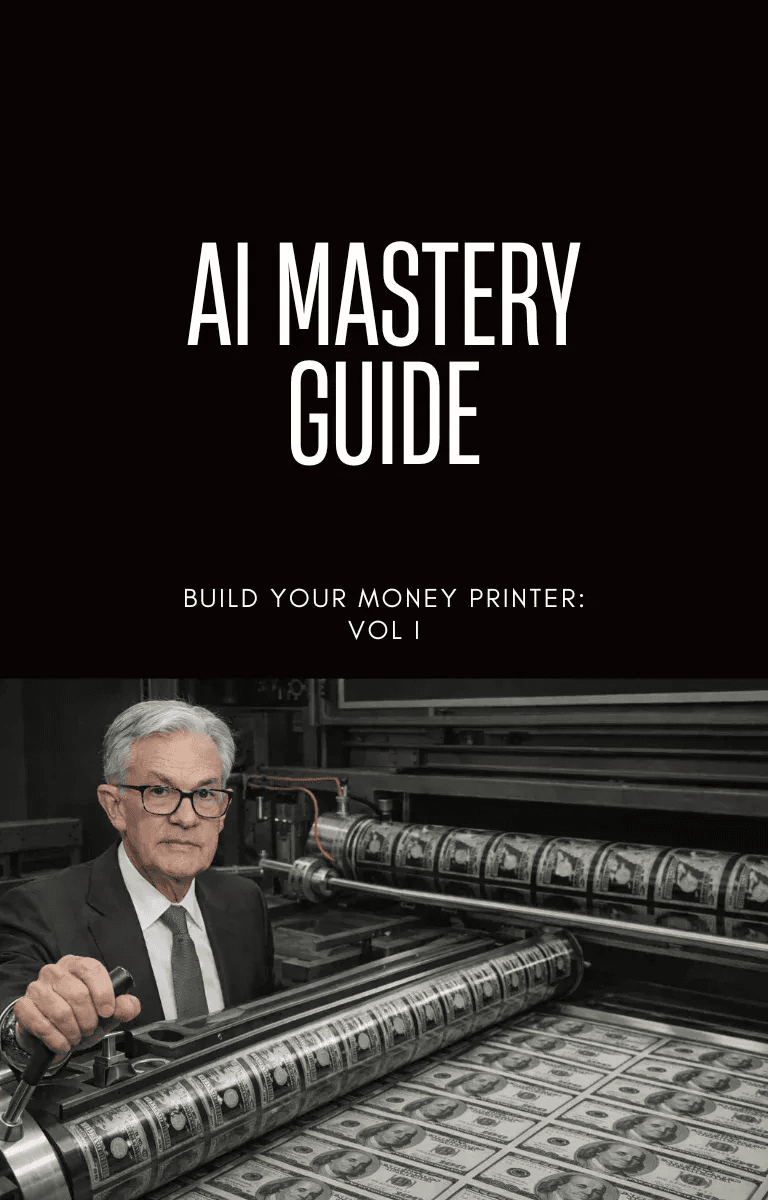
Guia Maestra de IA Vol I
Descarga instantánea · EPUB + PDF
Tu base en IA. Domina los fundamentos de ingenieria de prompts, comprende como piensa la IA y construye tus primeros flujos automatizados.
Apple Pay, Google Pay y tarjeta aceptados
Why the skill is durable
Models change often; the discipline of clear instruction does not. A person who can specify a task precisely, supply the right context, and verify the output will get strong results from whatever model ships next, because the bottleneck was never the model. It was the clarity of the request.
The audience for the skill is expanding quickly: generative AI use inside organizations more than doubled in a year, from 33 percent of respondents in 2023 to 71 percent in 2024 (Stanford HAI, 2025 AI Index Report, https://hai.stanford.edu/ai-index/2025-ai-index-report), and 65 percent of organizations reported regularly using generative AI in 2024, nearly double the share ten months earlier (McKinsey, The State of AI, 2024, https://www.mckinsey.com/capabilities/quantumblack/our-insights/the-state-of-ai-2024). As more work runs through these tools, the people who can instruct them clearly are the ones who capture the value.
That is why we treat prompting as the foundation of our AI Mastery Guide series rather than a chapter. Volume I builds the habit from the first page, on the bet that the mechanics of good instruction will still hold long after this year's model names are forgotten.
Antes de comprar, mira por dentro:
Vista previa de Guia Maestra de IA Vol I →