Why Manifestation Stops Working After Three Days
Por Clarity Books editorial team · 4 min de lectura · Actualizado:
Manifestation practice usually stops working around day three because willpower runs out, not because the method failed you. Day one runs on novelty, day two on momentum, and day three asks for a decision your old identity tends to win. The fix is structural: a fixed daily protocol that removes the decision and tracks small evidence.
The day-3 collapse is a pattern, not a personal failure
The sequence is so common it deserves a name. Day one: you start a new practice, scripting or visualizing or affirming, and it feels electric. Day two: still good, slightly effortful. Day three: the novelty is gone, nothing in your circumstances has visibly moved, and a quiet voice suggests checking whether it is working. You check, see nothing, feel foolish, and stop. A week later you find a new technique and the loop restarts.
If that is you, the first thing to take from this article is that the collapse is structural. It shows up across every variant of the practice and across most new habits generally, because all of them lean on the same scarce resource in the first week: deliberate effort. You did not fail a test of sincerity on day three. You ran out of the fuel the practice was mistakenly built on.
Identity versus willpower: why effort loses
Manifestation teaching, especially in the Neville Goddard lineage, locates the work in self-concept: you practice living from the identity of the person for whom the thing is settled. Willpower-driven practice does the opposite. It keeps the old identity fully intact, "I am someone this does not work for, but I am forcing the exercises anyway," and then asks effort to hold the contradiction together night after night.
That contradiction is why checking for results is so corrosive. Every check is the old self-concept asking for proof that the new one is fake, and in the first days there is never courtroom proof to offer. An identity-first practice sidesteps the fight: you measure whether you showed up and how settled the state felt, not whether circumstances moved this week. The practice is the rep. The rep is what you grade.
What to change: structure, not technique
The instinct after a collapse is to find a better technique, a new scripting format, a different affirmation set. But the technique was rarely the problem; the decision architecture was. Three changes matter. First, fix the protocol in advance: what you do each evening, in what order, for a set number of days, so day three asks you to follow a plan rather than win a debate. Second, shrink the daily unit until it is too small to dread.
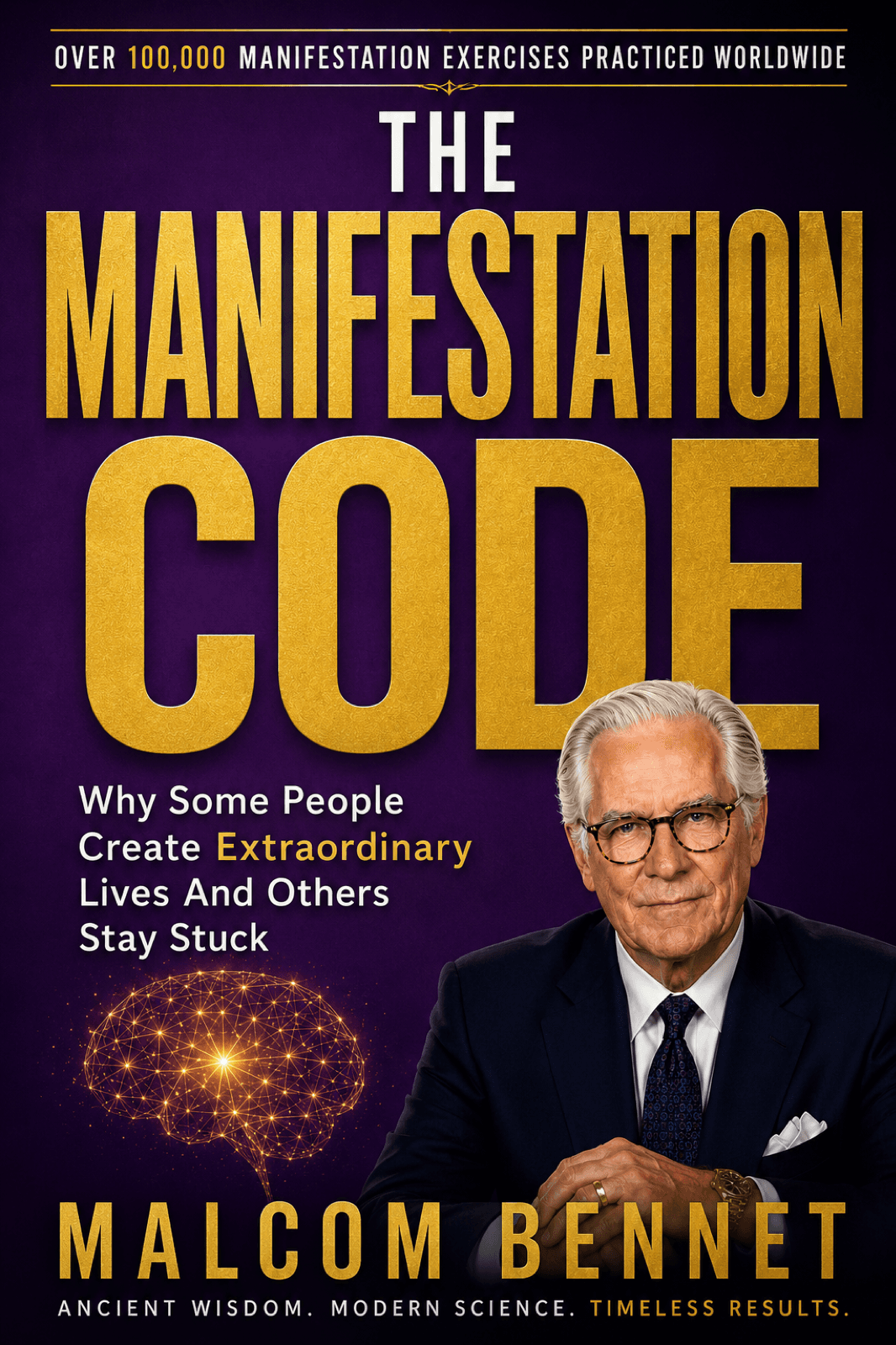
Third, track small evidence in writing: shifts in mood, in how you spoke to someone, in what you noticed or attempted. A written trail gives the practice something honest to stand on while the self-concept catches up, and it starves the all-or-nothing check that kills week one. This is the design brief behind our own Manifestation Code series: the 33-Day Identity Install Workbook pre-decides each of the 33 days and builds the evidence tracker in, and The Manifestation Code is the method behind it. Named plainly as our own catalog: that is what they are for, and a self-built version of the same structure is better than none.
El Codigo de la Manifestacion - Cuaderno de 33 Dias
Descarga instantánea · EPUB + PDF
El companero de 33 dias que convierte el metodo en una practica diaria. Indicaciones guiadas, paginas de escritura y ejercicios de asuncion que instalan la nueva identidad hasta que se sostiene por si sola.
Apple Pay, Google Pay y tarjeta aceptados
Antes de comprar, mira por dentro:
Vista previa de El Codigo de la Manifestacion - Cuaderno de 33 Dias →