Diabetes Burnout: What It Feels Like and What Tends to Help
By Clarity Books editorial team · 6 min read · Updated:
Diabetes burnout is a widely described experience of exhaustion from the daily, unending work of managing diabetes, not a personal failing. This guide covers what burnout tends to look like, why constant self-management wears people down, and why asking a clinician, diabetes nurse, or pharmacist about emotional support is a reasonable, common step. Education and support, not medical advice.
What Diabetes Burnout Actually Is
Diabetes burnout has a name because so many people with diabetes experience it. The American Diabetes Association describes it plainly: tracking blood glucose, dosing insulin, planning meals, and staying active is a lot to think about, and it can leave someone feeling run down, emotionally drained, and completely overwhelmed (American Diabetes Association, https://diabetes.org/health-wellness/mental-health). Almost half of people living with diabetes in the United States report behavioral health challenges of some kind, according to the same source. That is not a small or unusual group. It is close to half of everyone managing this condition.
The Centers for Disease Control and Prevention uses a related term, diabetes distress, and its numbers are similar: in any 18-month period, 33 to 50 percent of people with diabetes experience it (CDC, https://www.cdc.gov/diabetes/living-with/mental-health.html). The CDC also draws an important line: diabetes distress can look like depression or anxiety, but it is not the same thing, and it is not treated effectively with medicine alone. That distinction matters, because it means burnout is a response to an ongoing situation, not a chemical problem to fix with a prescription.
Why Relentless Self-Management Wears People Down
Diabetes rarely takes a day off, and that is the root of burnout for a lot of people. Every meal involves a small calculation. Every symptom raises a question. There is no finish line where the management work stops and ordinary life resumes. Diabetes UK notes that distress is common across every type of diabetes, and describes burnout as what can follow after distress has gone on for a long stretch: a point where someone stops keeping up with their usual diabetes routine because they are simply worn out (Diabetes UK, https://www.diabetes.org.uk/guide-to-diabetes/emotions/diabetes-burnout).
The same source reports that roughly one in four people with type 1 diabetes and one in five people with type 2 diabetes experience high levels of distress. Those are not people who are careless or unmotivated. They are people who have been doing a demanding, repetitive job with no days off, for years, often with little acknowledgment that the job is hard in the first place.
What Tends to Help
The American Diabetes Association and the CDC both point in a similar direction: small, specific goals tend to help more than an attempt to fix everything at once. Naming the feeling, rather than pushing through it silently, is often the first useful step. So is working with a diabetes educator on one manageable change rather than a full overhaul.
Connection helps too. Telling a partner, friend, or family member what the daily load actually feels like can lighten it, even when they cannot fix the underlying condition. None of this erases the work of managing diabetes. It just makes the work more bearable, and it treats burnout as something to work through rather than something to be ashamed of.
Talking to Your Care Team About the Emotional Side
It is worth saying plainly: diabetes burnout is a known, widely discussed experience, not a sign that someone is failing at their own care. The CDC's guidance is direct on this point, urging people to let their doctor know right away if they are concerned about their mental health alongside their diabetes (CDC, https://www.cdc.gov/diabetes/living-with/mental-health.html). That conversation does not need a script or a diagnosis to start it. It can be as simple as saying the daily management has started to feel like too much.
A clinician, diabetes nurse, or pharmacist is a reasonable person to raise this with, even at a routine visit, and many can point toward a diabetes educator or a mental health provider experienced with chronic conditions. Diabetes UK's guidance echoes this, recommending that people ask their healthcare team specifically about emotional support and, where available, a referral to a psychological specialist. Asking is not an overreaction. It is a normal part of managing a condition that asks a lot of a person every single day.
Support That Meets You Where You Are
Books cannot treat diabetes burnout, and this one will not claim to. What a calm, honest resource can do is sit alongside the daily reality of diabetes and put words to a feeling that often goes unnamed, which is part of why we built our Diabetes Management series. Diabetes Management Vol I, Living Well, is written to be read in small pieces on the days that call for it, and it consistently points readers back to their own care team for anything clinical rather than offering itself as a substitute.
If the whole series is useful to you, the Complete Diabetes Management Collection gathers all three volumes for less than buying them individually. This is education and support, not medical advice, and it makes no claim that reading it changes a health outcome. What it offers is company on days that are genuinely hard, and a nudge toward the clinician, diabetes nurse, or pharmacist who can help with the parts that need a professional.
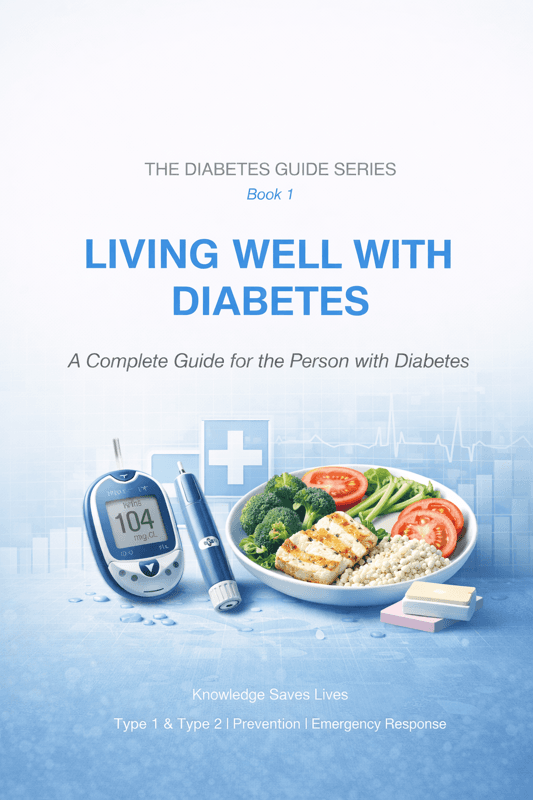
Diabetes Management Vol I - Living Well
Instant download · EPUB + PDF
Your comprehensive guide to thriving with diabetes. Understand your condition, manage blood sugar, and take control of your health.
Apple Pay, Google Pay and card accepted
Frequently asked questions
Is diabetes burnout the same thing as depression?
Not exactly. The CDC notes that diabetes distress can look like depression or anxiety but is not the same condition, and it is not treated effectively with medicine alone. If you are worried it might be depression, tell your doctor right away so they can help you sort out what you are experiencing.
How common is diabetes burnout?
Very common. The American Diabetes Association reports that almost half of people with diabetes in the United States experience behavioral health challenges, and the CDC estimates that 33 to 50 percent experience diabetes distress in any 18-month period. You are not the only one dealing with this.
What actually helps with diabetes burnout?
Small, specific goals rather than a full overhaul, naming the feeling instead of pushing through it silently, and talking with people who understand the daily load all tend to help. So does working with a diabetes educator or your care team on one manageable change at a time.
Who should I talk to about the emotional side of diabetes?
Your clinician, diabetes nurse, or pharmacist are all reasonable people to start with, even at a routine appointment. Many can refer you to a diabetes educator or a mental health provider experienced with chronic conditions. Raising it is a normal, sensible step, not an overreaction.
Want the whole series? the complete Diabetes Management bundle (3 guides in one download) or browse every Diabetes Management guide.
Before you buy, look inside:
Look inside Diabetes Management Vol I - Living Well →