The 369 Manifestation Method, Explained
By Clarity Books editorial team · 8 min read · Updated:
The 369 method has you write a goal three times each morning, six times at midday, and nine times before bed, echoing Nikola Tesla’s fascination with those numbers. No evidence shows handwriting a phrase on a schedule changes outside events. What it plausibly does is keep one goal in your attention and turn wanting into a repeatable habit.
What the Numbers Actually Mean
The 369 method is a handwriting ritual built around one number pattern: you write a single goal, phrased as a short statement, three times shortly after waking, six times sometime in the afternoon, and nine times right before bed. The three numbers give the method its name and its rhythm, not its instructions. Nothing about the numbers themselves determines what you write. They just set how many times you write it and when.
The statement itself follows a rule borrowed from the wider law of attraction tradition: phrase it as though it is already true, in the present tense, not as a wish. "I am confident in the interview on Thursday" fits the method. "I hope I do well in the interview" does not, because it keeps the sentence in the future and keeps you rehearsing the waiting rather than the outcome. Some versions add a short line about how it feels for the statement to be true, since the feeling behind the words is treated as more important than the exact wording.
Most people run the practice over a set stretch, commonly 33 or 45 days, one goal at a time, the same way our own 33-day manifestation challenge guide treats a fixed run as the unit of practice rather than an open-ended habit. The number of days sets a container for consistency. It is not a countdown with a fixed payoff waiting at the end.
Where the Method Came From
The 369 method entered wide public awareness on TikTok in 2020. Reporting from The Zoe Report credits Karin Yee, a law of attraction writer, with creating it, and credits a June 2020 video from a separate creator, Clark Kegley, with pushing the format into wider circulation on the platform (thezoereport.com/wellness/how-to-do-369-manifestation-method). Neither piece of reporting explains how Yee arrived at the counts, so treat any tidy origin story you read elsewhere with caution.
The Tesla connection is where the story gets shakier, and it is worth being direct about that. The line usually attached to him, that knowing the magnificence of three, six, and nine would hand you the key to the universe, gets repeated constantly in manifestation content but is difficult to trace to anything Tesla actually published. Refinery29’s explainer on the trend states plainly that while Tesla was documented as fixated on the number three, "there’s no concrete evidence that he had anything to do with this manifestation technique" (refinery29.com/en-us/369-manifestation-method-how-to-do). The honest description is that the numbers are commonly attributed to Tesla, not that Tesla created, taught, or endorsed the method.
That does not make the method a hoax so much as a recent writing practice wearing an old inventor’s name for credibility, which is a common pattern across manifestation content generally. Knowing that does not make the practice worthless on its own. It just means the numerology should not be treated as the reason it might help you.
Where It Sits in the Manifestation Family Tree
The 369 method is a scheduling ritual: fixed counts, fixed times of day, one short written line. It shares that surface with an older strand of manifestation writing, the law of assumption associated with Neville Goddard, which our other guides on this site cover directly. That approach does not care how many times you write something. It cares whether you can hold the felt sense of a wish as already fulfilled, in a short scene you occupy rather than a sentence you copy out on a clock.
The two are not really competitors. They are different tools built on the same underlying premise, that repeatedly rehearsing a specific, already-true version of your day changes your self-image and where your attention goes. The 369 method makes that rehearsal countable and easy to start, which is part of why it travels so well on short video. The assumption method makes it deeper and less mechanical, at the cost of being harder to learn from a fifteen-second clip.
If the 369 method’s rhythm suits you but the numerology does not sit well, which is a reasonable place to land given what the sourcing on Tesla actually shows, the identity-first version of this work is the fuller method our Manifestation Code series is built around: not a number pattern, but a defined nightly sequence for assuming a specific outcome and persisting with it. The two can be used separately or together. Neither one asks you to believe anything you cannot personally check against your own behavior.
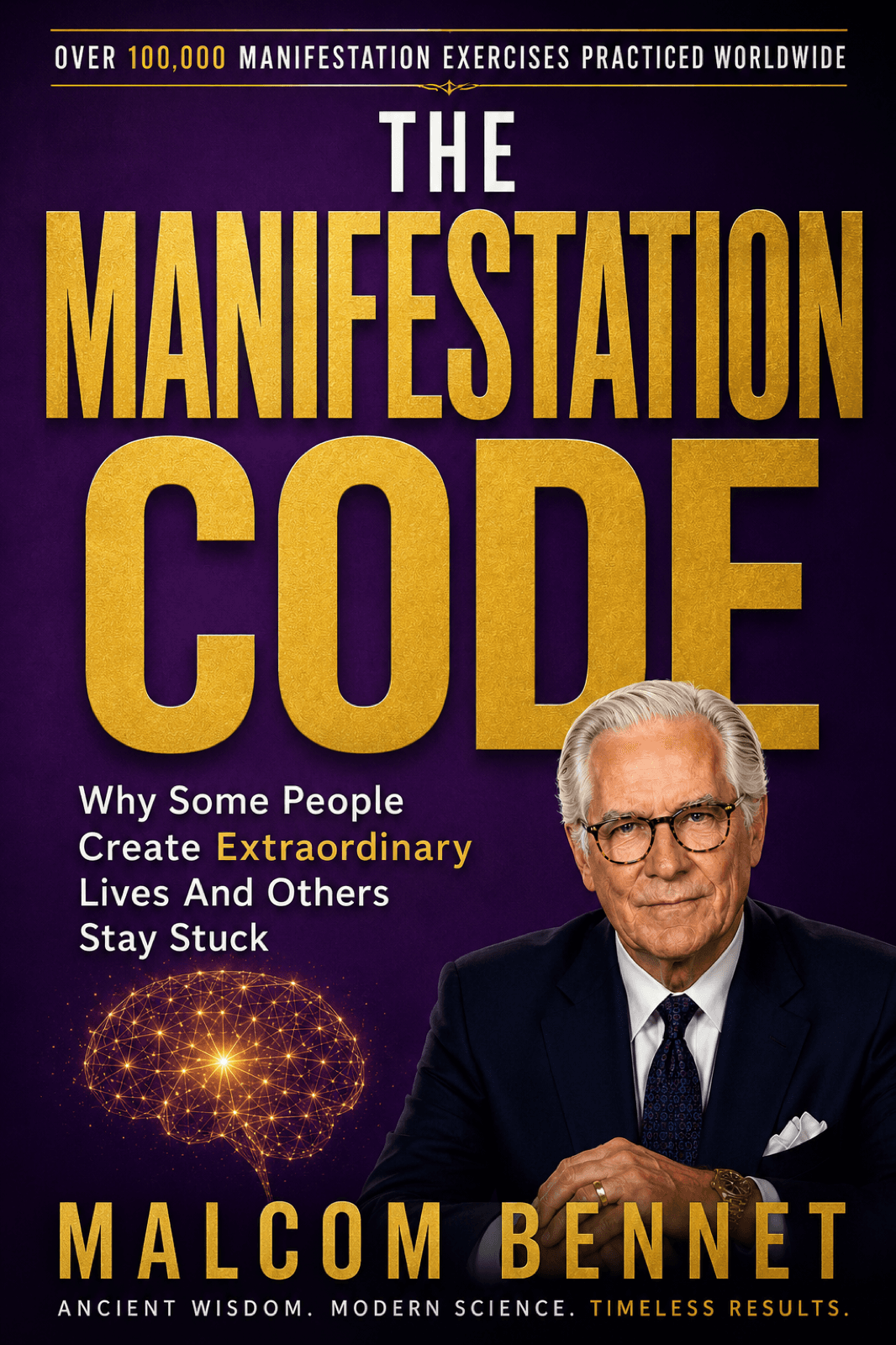
The Manifestation Code
Instant download · EPUB + PDF
Decode the law of assumption. The identity-first method behind Neville Goddard, Earl Nightingale and Bob Proctor, rebuilt into a step-by-step protocol to become the person your desires already belong to.
Apple Pay, Google Pay and card accepted
Does Writing a Phrase Nine Times a Day Change Anything?
Here is the honest mechanism question, and it deserves a straight answer. There is no evidence that writing a sentence three times, six times, and nine times, on a fixed clock, changes what happens outside your own head. Numerology is not a documented force, and nothing about the arithmetic of three, six, and nine has been shown to influence interview outcomes, other people’s decisions, or anything else in the world. Anyone telling you otherwise is offering certainty the practice cannot deliver.
What a daily writing ritual can plausibly do is more ordinary, and still worth having. Writing the same specific goal down repeatedly keeps it in working memory through a day that would otherwise fill up with everything else competing for your attention. Putting it into one clean present-tense sentence forces a kind of clarity that vague wanting rarely produces on its own, since it is hard to write a fuzzy goal nine times without noticing the fuzziness. And a practice repeated at set points in the day builds a small, consistent cue to check your own behavior against what you said you wanted, which is a plain, observable form of self-monitoring rather than anything mystical.
Those effects, attention, clarity, and behavioral consistency, are well understood outside manifestation content entirely. They are the same reasons any structured daily practice, from a habit tracker to a training log, tends to outperform vague good intentions. They do not add up to a promise that a specific goal happens because you wrote a specific number of lines. What they add up to is a better shot at noticing opportunities related to that goal and acting on them, because the goal is no longer background noise.
How to Actually Try the 369 Method
Pick one goal, and make it specific enough that you can write the same sentence nine times without getting vague by the third repetition. A specific goal tied to one upcoming event or one habit tends to work better than a large, permanent life change, especially on a first attempt, because you can actually tell later whether your attention and behavior around it shifted.
Write the sentence in the present tense, as already true, three times shortly after you wake up, six times sometime in the afternoon, and nine times before bed. Keep the routine plain on purpose. The point is repetition landing at roughly the same times each day, not a longer or more elaborate ritual. If a day gets away from you, do a short version rather than skipping it entirely. A rushed round of three still keeps the goal in view, and missing one day is not a reason to restart or abandon the run.
Judge the practice by what you can actually observe: are you thinking about this goal more often during the day, are you making small choices you would normally skip, are you noticing options related to it that you would otherwise miss. Those are honest signals. Whether the goal itself lands on schedule depends on far more than any writing ritual, numerology included, so treat the 369 method as a way to keep your own attention and effort pointed at something specific, and judge it on that basis rather than on the arithmetic.
Frequently asked questions
Does the 369 method actually work?
It works as a repetition and attention tool: writing one goal on a fixed schedule keeps it in your working memory and forces clarity about what you actually want. There is no evidence that the specific counts of three, six, and nine cause outside events to change, so treat it as a focus practice rather than a promise about a specific outcome.
Did Nikola Tesla really invent the 369 method?
No. Tesla is commonly credited with the idea that three, six, and nine are significant numbers, but reporting on the trend has found no solid evidence connecting him to this specific writing practice. The method traces to more recent law of attraction content that adopted Tesla’s name for credibility, not to anything Tesla wrote or taught.
What should I actually write for the 369 method?
Write one short, specific goal as a present-tense statement, as if it is already true, such as a sentence about a single event or habit rather than a vague, permanent change. Keep the same sentence for the full run of days so the repetition has something consistent to work on, rather than switching the wording each time you write it.
How long should I do the 369 method?
Most versions run 33 or 45 days on one goal at a time, which gives repetition enough time to settle into a habit rather than fading after a few days of novelty. There is nothing special about the exact count. The point is picking a defined stretch, finishing it, and judging the result by your own attention and behavior rather than by the calendar.
Want the whole series? the complete The Manifestation Code bundle (2 guides in one download) or browse every The Manifestation Code guide.
Stuck on a manifestation? Start here.
Get the free 7 Manifestation Blockers Checklist: the patterns that most often stall a practice, named in one page.
No spam. Unsubscribe anytime.